


HPE H3C JD507A Compatible XFP XFP 10GBASE-ER Transceiver Module
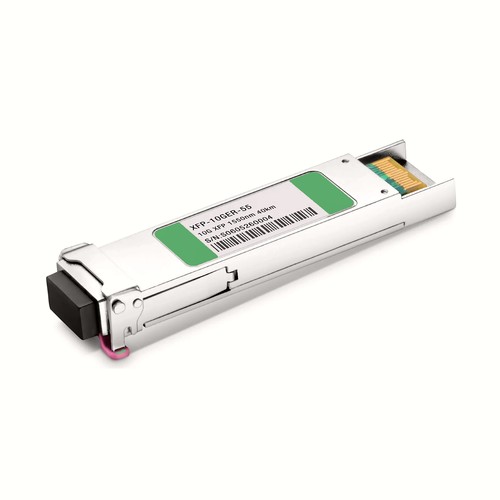
Built for hosts recognizing JD507A, this HT-manufactured XFP module delivers XFP transmission at 1550nm. Its rated reach is 40km, with LC duplex as the physical interface. The specifications and engineering guidance below support mixed-vendor networks document the correct compatibility identity at each host, while keeping HT manufacture separate from the OEM cross-reference.
OEM Part Number: JD507AHT Part Number: XFP-10GER-55
Product Highlights
- Compatible alternative to HPE H3C JD507A
- XFP connectivity at 10Gbps
- Optical wavelength: 1550nm
- Specified reach: 40km
- LC duplex / SMF interface
- Operating temperature: 0 to 70°C (32 to 158°F)
- Factory compatibility verification and optical performance testing before shipment
Specifications
| HPE H3C Compatible | JD507A |
|---|---|
| Manufacturer | HT |
| HT Part Number | XFP-10GER-55 |
| Form Factor | XFP |
| Max. Data Rate | 10Gbps |
| Wavelength | 1550nm |
| Max. Transmission Distance | 40km |
| Connector | LC duplex |
| Transmitter Type | EML 1550nm |
| Media | SMF |
| DOM Support | Yes |
| TX Power | 0~4dBm |
| Receiver Sensitivity | <-16dBm |
| Operating Temperature | 0 to 70°C (32 to 158°F) |
| Protocols | SFP+ MSA Compliant, CPRI, eCPRI |
Applications and Optical Link Design
Use this module for equipment interconnection over the specified single-mode fiber plant, including enterprise backbone, campus, metro or data-center interconnect links according to its rated distance. Confirm that both ends use the same optical standard and wavelength plan, and allow for connector, splice and patch-panel loss within the stated power budget.
Before deployment, check the host port type, supported data rate and firmware requirements. The XFP interface configuration must match the remote equipment; sharing a XFP housing alone does not make two transceiver types interoperable.
Wavelength-selective links require the exact channel plan at both ends. Confirm that filters pass 1550nm, then include their insertion loss in the 40km power budget. A nearby channel is not a substitute for the specified wavelength.
Optical Acceptance, Diagnostics and Handling
For this model, the specified transmit-power range is 0~4dBm; receiver sensitivity is <-16dBm. A sound acceptance record includes link state, diagnostic temperature, supply voltage and transmit or receive levels where the host exposes them. Compare the readings with the stated ranges rather than treating any received light as proof of adequate margin. Persistent alarms or borderline values should trigger an end-face and complete-channel inspection. Before every insertion, keep dust caps in place until the patch lead is ready, avoid touching the optical end face and use an appropriate inspection and cleaning procedure. Do not look into an active optical interface.
Mixed-Vendor Network Operation
A mixed-vendor optical link should be documented at both ends, not treated as one generic connection. Confirm which OEM identity each host expects and whether both ends use the same wavelength plan and optical standard. Related links locate equivalent hardware, but brand-specific identification must still be selected independently. For this model, the principal parameters are data rate 10Gbps, wavelength 1550nm, rated reach 40km.
HPE H3C Compatibility and Factory Testing
Factory verification starts with the expected JD507A identity and finishes with an operating host link. EEPROM data, diagnostic visibility and the stated optical parameters are assessed together. Equipment model, hardware revision and software release can be reviewed before dispatch where platform behavior is uncertain.
Ordering Information
Use JD507A as the compatibility cross-reference and XFP-10GER-55 as the HT ordering identity. Keep other reaches or wavelength directions on separate order lines. Neutral labels, customer packaging and project-specific compatibility review are available on request.
Quality Assurance and Packaging
Before packing, the module receives interface inspection, identification and link checks. Protective packaging avoids pressure on the connector and latch. Customer references, rack groups and project packing lists can be added for volume orders.
Frequently Asked Questions
Is this an original HPE H3C transceiver?
No. It is an HT-manufactured compatible alternative for equipment that specifies JD507A, not an original HPE H3C-branded module.
Which fiber and connector are required?
Use LC duplex with SMF. The specified maximum reach is 40km, subject to fiber quality and total link loss.
Can it be mixed with another wavelength or reach version?
Only when the two ends share the same optical standard, wavelength plan and supported data rate. Check the exact part numbers and link budget rather than relying only on the module form factor.
Shipping and Lead Time
Standard configurations normally ship within one to three working days, with production lead times confirmed for larger quantities. International courier, air freight and sea freight are available; customer courier accounts and nominated forwarders are accepted.
Transceivers
Malaysia Fiber Optic Supplier
Malaysia Fiber OpticsFactory Address: Block 5, Wangtang Industrial Park,Nanshan Area, Shenzhen,China
Malaysia Office: 68000 Ampang,
Selangor, MYhttps://www.fiberoptic.com.my